The IBM Cost of a Data Breach Report 2026 — research by Ponemon Institute, sponsored and published by IBM — frames this year’s theme as “The AI tipping point.” Across 602 breached organizations (incidents from March 2025 through February 2026) and 3,558 practitioner interviews, the study finds phishing still leading initial access while AI-driven attacks and MFA-fatigue social engineering push breach economics higher.
This post summarizes public report findings for Texas businesses and security buyers. It does not invent Texas-only cuts the study does not publish. Domain scores below are independent EmailMeNow audits — not IBM’s methodology.
Report hub: ibm.com/reports/data-breach · IBM analysis: AI-powered adversaries (X-Force)

Snapshot
| Metric | IBM / Ponemon 2026 |
|---|---|
| Global average breach cost | USD 4.99M (+12% YoY; record high) |
| United States average | USD 11.5M (highest region; ~2× global) |
| Top initial vector | Phishing — 4th consecutive year |
| Costliest vector class | Voice / SMS phishing — USD 5.29M avg |
| Social engineering (helpdesk / MFA fatigue) | USD 5.23M avg |
| AI-driven malicious attacks | +56% YoY; ~1 in 4 orgs; +USD 1M vs non-AI malicious |
| AI deepfake / impersonation share | 45% of AI-driven attacks |
| AI-generated phishing / communications | 17% of AI-driven attacks |
| Ransomware among breached orgs | 39% (up from 34%) |
| Brand / reputation extortion in ransomware | 41% |
| Healthcare industry avg cost | USD 6.64M (still #1; −10.5% YoY) |
| Financial services avg cost | USD 6.29M |
| Extensive security AI / automation savings | USD 1.93M; −65 days lifecycle |
Lifecycle mean time to identify + contain rose slightly to 247 days (183 + 64). Customer PII remained the most common compromised data type (52%).
Phishing and MFA fatigue still set the price
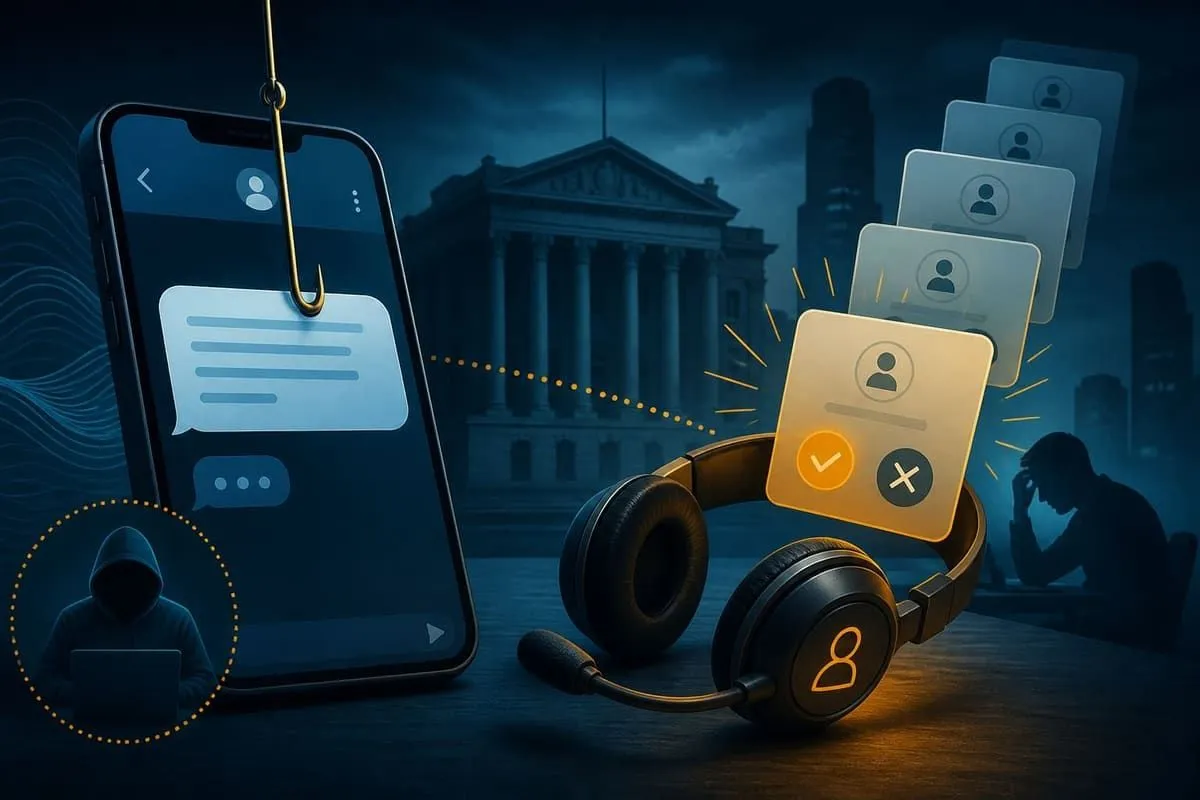
For the fourth year in a row, phishing was the top initial attack vector. Voice and SMS phishing drove the highest average breach costs among vectors studied (USD 5.29M). Social engineering — including IT / helpdesk impersonation and MFA fatigue — averaged USD 5.23M.
That pairing matters for Texas mid-market buyers: insurers already treat MFA warranties as coverage terms (cyber insurance controls), while national and Texas bank scorecards still show SMS / voice OTP dominating retail MFA (national banks · Texas banks). Beazley Security’s Q2 2026 threat report later put the same front-door problem in incident counts: 67% of ransomware still started with stolen VPN/RDP passwords even as disclosed CVEs jumped 36%.
AI deepfakes raise the cost of malicious breaches
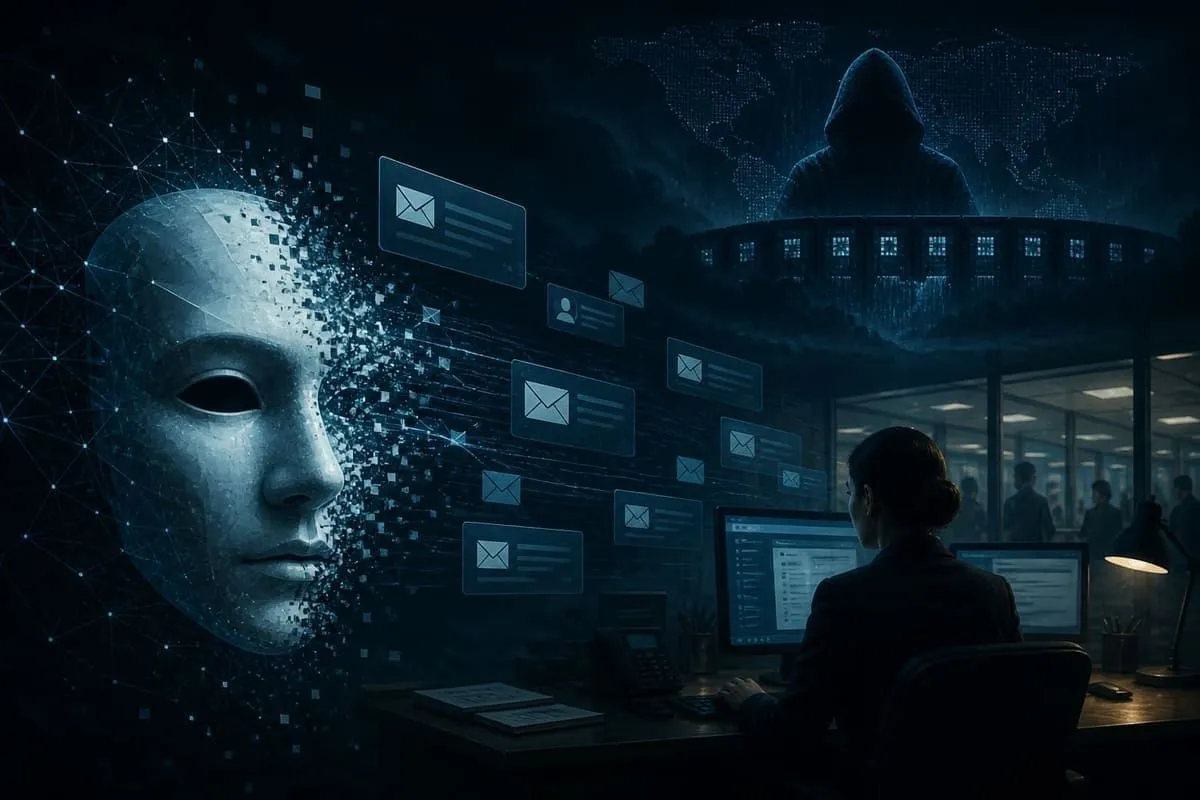
More than one in four organizations that faced a malicious attack reported it was AI-driven — a 56% increase over last year. Those incidents added roughly USD 1 million above the average malicious non-AI breach (about USD 6.04M vs USD 5.03M in the report’s comparison).
Among AI-driven attacks:
| Type | Share |
|---|---|
| AI deepfake / impersonation | 45% |
| AI-enabled malware | 19% |
| AI-generated phishing or other communication | 17% |
| Other | 19% |
Critical infrastructure sectors (notably financial services and energy) accounted for a combined 62% of AI-driven breaches studied. That aligns with Five Eyes’ months-scale AI warning (June 2026) and with deepfake-adjacent consumer risks we covered for FaceTime bank scams and Meta Muse image privacy.
Ransomware: reputation pressure joins encryption
Among breached organizations, 39% reported ransomware (up from 34%). Attackers are not only encrypting systems (23% cited operational encryption / OT disruption among weaponization methods); 41% of ransomware incidents included threats to brand reputation (public shaming / media leaks). Internal emails and chat (19%) also appear in the extortion mix.
That matches the leak-site / double-extortion pattern in chamber and industrial stories — for example chambers of commerce ransomware claims and our ransomware threat landscape.
Industry cost leaders (global study)
| Industry | Avg breach cost (USD M) |
|---|---|
| Healthcare | 6.64 |
| Financial | 6.29 |
| Industrial / Technology | 5.50 |
| Energy | 5.24 |
| Public | 3.50 |
Healthcare remains the costliest industry for the 13th consecutive year, even after a 10.5% drop from USD 7.42M. Pair that with OCR / HIPAA frequency context in our healthcare breach statistics.
Independent cybersecurity audits
EmailMeNow domain audits on August 4, 2026. 100% is the ideal overall score — none of these reach it. Scores measure public identity / transport / website posture for illustrative peers (report publisher + Texas financial + federal healthcare regulator domains). They do not measure IBM’s study sample or prove any org was in the Ponemon cohort.
| Organization | Domain | Overall | Identity | Transport | Website | Risk |
|---|---|---|---|---|---|---|
| U.S. HHS | hhs.gov | 71% | 90% | 70% | 37% | Good |
| IBM | ibm.com | 70% | 75% | 15% | 65% | Good |
| Frost Bank (TX) | frostbank.com | 68% | 50% | 15% | 92% | Above Average |
Audit links: hhs.gov · ibm.com · frostbank.com
Pattern: Soft Transport (15%) on ibm.com and frostbank.com is the familiar mid-market mail gap (MTA-STS / related). hhs.gov leads identity (90%) but website hardening lags. Spoofed “breach response” or “vendor IBM/HHS” mail remains a live risk after a report this widely cited.
Blacklist (mail/domain, Aug 4): ibm.com and frostbank.com were clear on checked DNSBLs / domain lists (public DoH; Spamhaus rows often unavailable via open resolvers).
What to do with this report (without buying more shelfware)
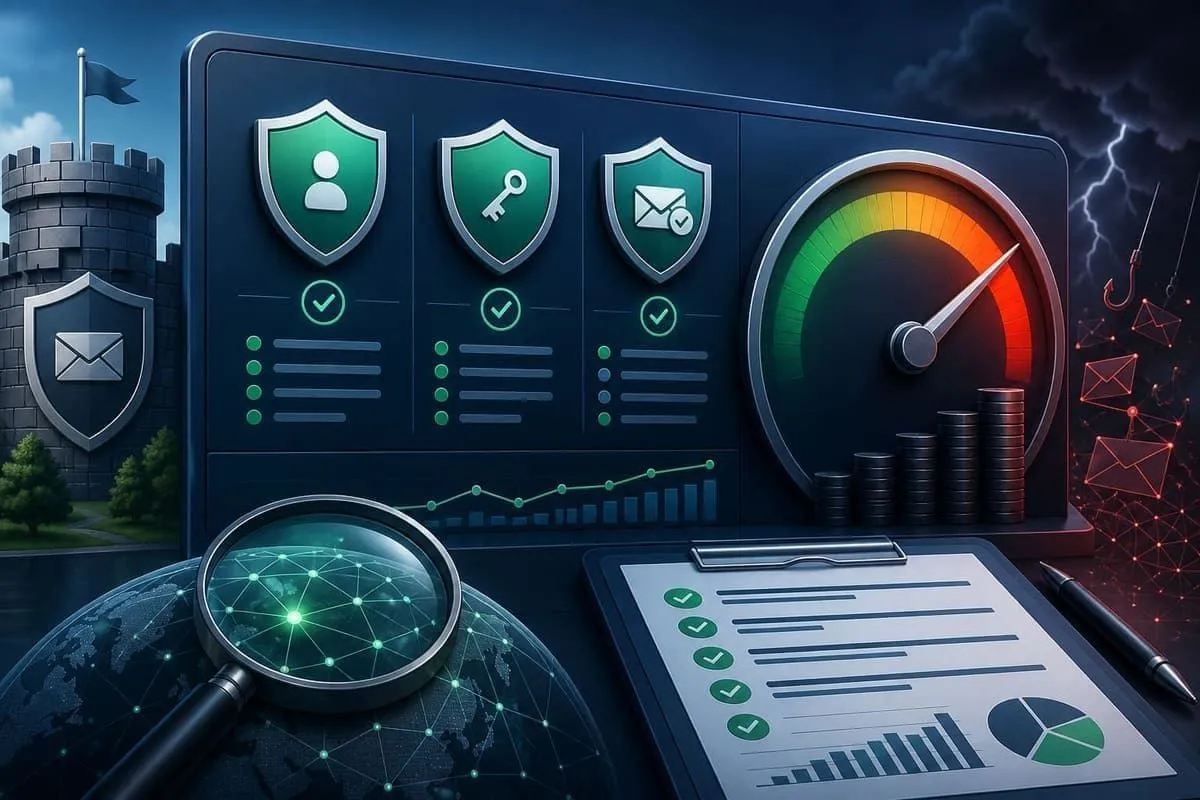
- Treat phishing + MFA fatigue as board metrics — voice/SMS phishing and helpdesk impersonation are the costliest vectors in the study.
- Upgrade MFA off SMS — prefer FIDO / YubiKey or open TOTP; document what insurers will audit (insurance controls post).
- Enforce email authentication — DMARC
p=reject, DKIM, SPF; aim for audit 100% at audit.emailmenow.com. - Plan for reputation extortion — ransomware playbooks need legal + communications, not only decrypt keys.
- Govern AI access — the report ties many AI-related incidents to missing access controls around models and adjacent APIs/cloud — not only “model risk.”
Related coverage
- Five Eyes AI cyberattacks warning
- Beazley Q2 2026: AI CVE flood vs stolen credentials
- Cyber insurance: controls decide coverage
- Healthcare breach statistics (HIPAA / OCR)
- National banks MFA scorecard
- Texas banks MFA scorecard
- Chambers ransomware / CAPTCHA attacks
- Ransomware threat landscape
- FaceTime bank scam
- Meta Muse Instagram AI privacy
Protect your organization.
Run a free Instant Cybersecurity Audit at audit.emailmenow.com — and contact EmailMeNow IT Consulting for DMARC, MFA hardening, and breach-cost tabletop exercises.
Sources: IBM Cost of a Data Breach Report 2026 (Ponemon Institute research; IBM sponsorship/analysis) · IBM X-Force — AI-powered adversaries. Independent EmailMeNow domain audits and blacklist probes August 4, 2026. Domain scores: audit.emailmenow.com only. Figures attributed to IBM/Ponemon; re-check the official report for full methodology and charts.